Bureau 1: Inventory
NewVistas › Department I — Village › Bureau 1
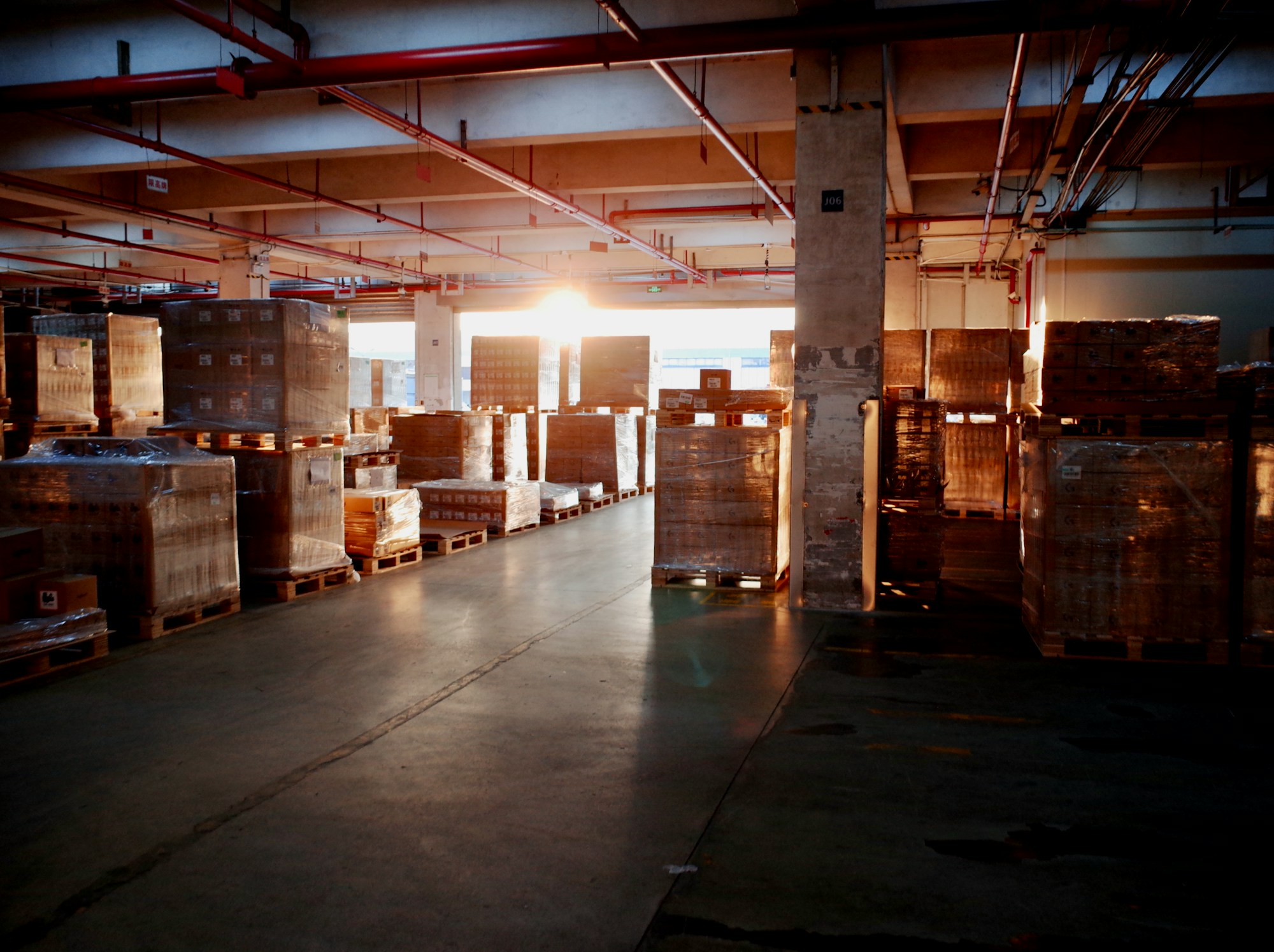
The supplies that keep everything running.
Bureau 1 sets the rules for the community’s everyday supplies — raw materials, stock, and goods being worked on. It owns none of it and runs no warehouse. Its job is to make sure Enterprise Owners can get what they need to produce, on lease, with every handoff tracked and proven.
Custody Log · Bureau 1
Standards, Not Storage
Every handoff logged. Nothing held.
Bureau 1 sets the standard for leasing, custody, and restocking consumable goods — and checks every handoff against it. It owns no inventory and runs no warehouse; that record is the only thing that belongs to the bureau.
Rules for the flow of goods
Bureau 1 governs “consumables” — the things a business uses up as it works: raw materials, supplies, inventory, and partly-finished goods. It sets the standards for leasing them, holding them in custody, restocking, and using them productively.
It’s one of the community’s three everyday “execution” rails, alongside Facilities (2) and Equipment (3). And like them, it owns nothing and operates nothing: no inventory, no supply company, no warehouse, no staff. Certified Enterprise Owner businesses handle the actual goods. Bureau 1 just sets the conditions under which supplies can be obtained and used — and pairs with Bureau 7, which holds the short-term financial side (clearing, settlement, and the outside bank credit that funds working stock).
Bureaus set the rules; Enterprise Owners do the work; the supplies themselves stay in the proper channels, tracked at every step.
Bureau 1 sets rules for
- Leasing consumable supplies
- Holding them in custody
- Permission to acquire & restock
- Valuing work-in-progress
- Using supplies productively
It never does
- Own inventory
- Run a supply business or warehouse
- Hold title or lend money
- Employ staff
- Hand out resources
Bureau 1 leases; Bureau 7 holds the money side
Supplies involve two different jobs, and the community keeps them in separate hands so neither becomes too powerful. Bureau 1 governs use and leasing; Bureau 7 handles title, settlement, and the outside financing.
An Enterprise Owner’s access to that credit shows up as spending limits, permissions, or plan-linked cards tied to their business — never as a personal bank account. And any setup cost (getting supplies certified, configuring inventory systems, logistics) attaches to the arrangement that caused it and is paid back gradually as the business produces, rather than all at once.
Following goods from raw material to finished product
What makes this workable in practice is digital tracking. Each item carries a kind of digital passport — QR codes, records, and automated checks — so custody and every transformation are provable as goods pass between businesses.
Nothing moves until the checks are met
An Enterprise Owner can’t just grab supplies on a whim. Before any order or draw, the plan has to have passed the community’s three checks, have a valid lease, and be properly cleared, recorded, and proven.
This is what keeps the everyday economy honest and traceable: supplies flow to real, validated production rather than to speculation. Because the whole chain is digitally provable, the community can trust that what was ordered was used as intended — and correct it quickly if something goes wrong. It’s an old idea (keep careful track of the storehouse) finally made practical by modern tracking.
The right supplies, to the right Enterprise Owner, for real production — with a clear record of every step.
The supplies rail among the others
Holds title, clearing & the working-capital financing.
The facilities where supplies are used.
The equipment that works the materials.
Food & health standards for consumable goods.
The three checks a plan clears first.
The proof and the bookkeeping behind each move.
Bureau 1 sets the rules for leasing and using supplies; it never owns them, finances them, or warehouses them. Its whole job is admissible, provable, productive use of the community’s consumables.
The everyday supply, kept honest
Bureau 1 sets the rules for the community’s consumable supplies. It owns nothing, warehouses nothing, and finances nothing. Certified Enterprise Owners handle the goods; Bureau 7 holds the money side.
Its insight is that a productive community lives or dies on its everyday flow of materials — and that flow can be both open to every capable Enterprise Owner and fully traceable, so supplies reach real production and every handoff can be proven.
Rules, not ownership; access by rule, not by cash; provable at every handoff.